
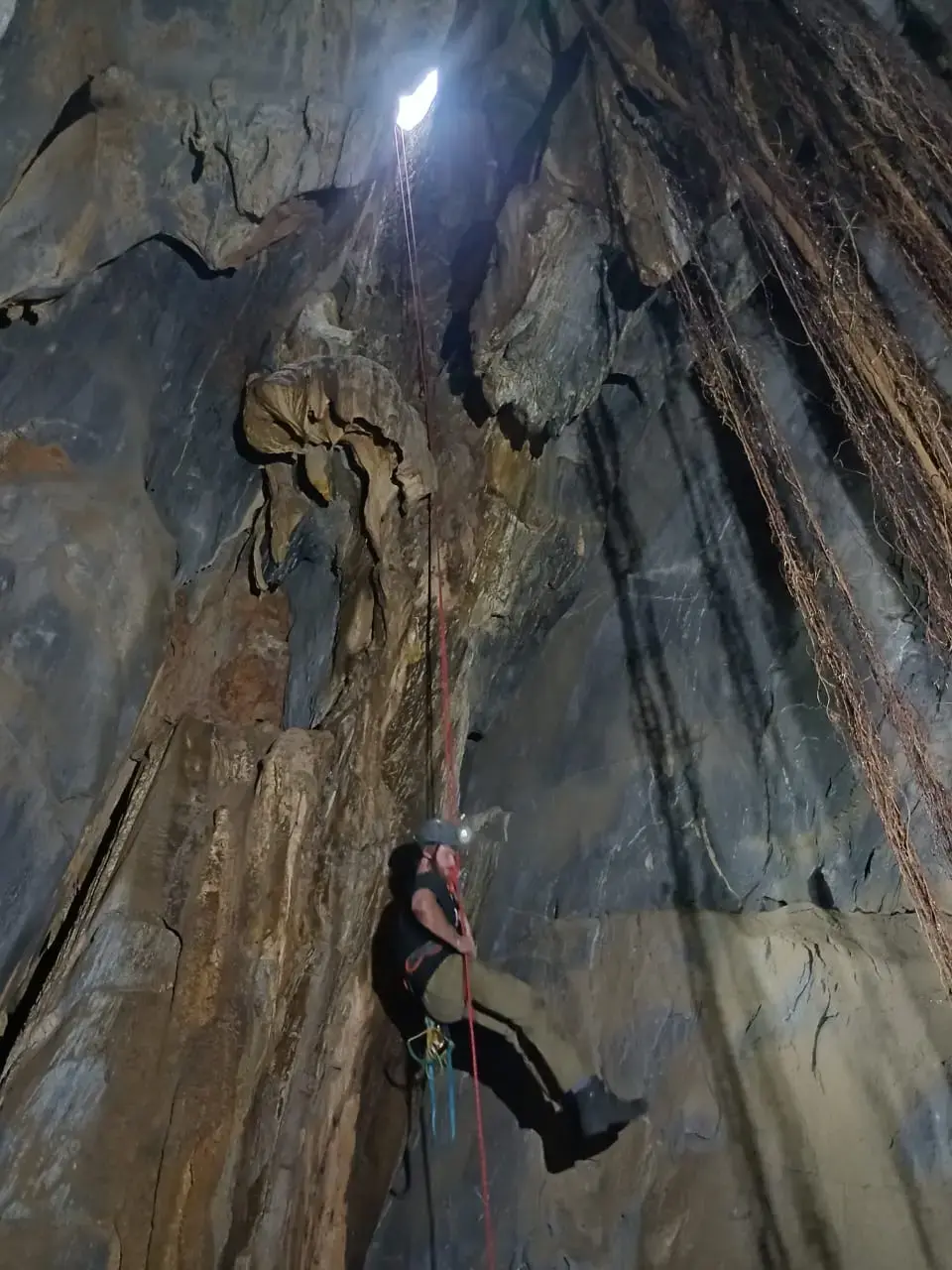
Caring for Caves
Cave Conservation & Safety
Protecting fragile underground environments — and ourselves — while we explore.
Why It Matters
Caves require special care and respect
Many of the caves explored by CPSS contain sensitive ecosystems, rare species, archaeological material, and geological formations that can be damaged far more easily than most people realize. By following a few simple guidelines, we can help ensure these places remain protected for future generations.
Conservation
Protecting fragile environments
Keep Cave Locations Private
Please do not share the locations of sensitive caves publicly on social media, Google Maps, websites, or online forums.
Unfortunately, public exposure often leads to increased vandalism, littering, graffiti, theft of formations, and disturbance of wildlife. While it can be tempting to share exciting discoveries, protecting these sites is far more important than public recognition.
Respect Bats
Many Western Cape caves provide important roosting sites for bats.
During winter, bats enter periods of torpor (a form of hibernation) to conserve energy. Waking bats during this time can cause them to use valuable energy reserves that they may not be able to replace before spring, potentially leading to starvation.
When entering bat caves:
- Keep noise and disturbance to a minimum.
- Avoid shining bright lights directly onto bats.
- Never intentionally wake, touch, or move bats.
- If a cave contains a large roost, consider avoiding it during sensitive periods.
Leave No Trace
Everything brought into a cave should leave with you. Take only photographs and memories.
Please do not:
- Leave litter behind.
- Spray paint or carve names into cave walls.
- Move or collect cave formations.
- Leave fixed equipment without permission.
- Remove archaeological, historical, or biological material.
Cave Formations Are Fragile
Many cave formations grow extremely slowly. Some stalactites and flowstone formations may take hundreds or thousands of years to develop.
Even a single touch can leave oils that permanently alter future growth. Please avoid touching formations unless absolutely necessary for safety.
Protect Cave Wildlife
Caves are home to a surprising variety of life, including bats, spiders, cave crickets, harvestmen, pseudoscorpions, beetles, fungi, and other specialised organisms.
Many cave species exist in very small populations and are sensitive to disturbance. Observe wildlife carefully, but avoid handling animals unless necessary for scientific or conservation purposes.
Protect Scientific & Historical Resources
Caves often contain important scientific information, archaeological deposits, fossils, and historical artefacts.
If you discover something unusual, leave it in place and report it to experienced cavers or relevant authorities. Once removed from its original context, valuable information may be lost forever.
Safety Underground
Stay safe below ground
Caves present hazards that are not always obvious. Build skills gradually, never push beyond your experience, and always tell someone where you are going and when you expect to return. New to caving? Start with our New Cavers guide.
Histoplasmosis & Respiratory Safety
Bat guano can harbour fungal spores that may cause histoplasmosis, a respiratory disease contracted by inhaling contaminated dust. While many people experience no symptoms, others may develop flu-like or more serious respiratory illness.
To reduce risk:
- Wear a mask when exploring caves with significant bat populations or guano deposits.
- Avoid disturbing dry guano unnecessarily.
- Minimize kicking up dust in confined spaces.
Never Cave Alone
Even experienced cavers should avoid entering unfamiliar caves alone. Always ensure someone knows where you are going and when you expect to return.
Caves present hazards that are not always obvious, including:
- Vertical drops
- Loose rock
- Flooding
- Navigation challenges
- Hypothermia
- Equipment failure
Know Your Limits
Many cave accidents occur when people enter caves beyond their level of experience.
Build skills gradually, learn from experienced cavers, and seek proper training before attempting technical caves that require rope work, advanced navigation, or extended underground travel.
Your Role
Be an ambassador for caving
Responsible cavers help protect both caves and the reputation of the caving community. By treating caves with respect, sharing knowledge, and encouraging good practices, we can ensure that these remarkable underground environments remain accessible and protected for generations to come.
Take only photographs and memories — and leave every cave as you found it.
Get in Touch